

Contents
Overview
Planning a factory relocation: where to start
A factory relocation is judged on one thing: whether production restarts on the date you promised. Getting there is mostly planning. This guide sets out how to plan a factory relocation step by step, from fixing the restart date to briefing your customers, based on how we plan moves with our clients at Synergy Lifting.
In short
- Fix the production restart date and plan backwards from it.
- Build an asset register of everything that moves, goes or waits.
- Survey the old and new sites before anything is disconnected.
- Decide the move sequence and whether to phase it.
- Agree who is responsible for each task, from isolation to commissioning.
- Tell customers, suppliers, landlords and staff in good time.
The six steps below take each of those in turn. If you would rather hand the planning to one contractor, our factory relocation service covers it from survey to handover.
Step 1
Step 1: Set the restart date and work backwards
Every factory relocation plan hangs off the day production has to be running again. Set that date first, with sales and operations in the room, then build the programme back from it.
Agree the shutdown window
Decide how long each line can stop, and when. Christmas, summer shutdowns and bank holiday weekends are popular because customers already expect lower output. If the move will not fit in one window, plan to phase it.
Build in buffer days
Weather, a late delivery or a machine that needs more work than expected can each cost a day. A plan with no slack before the restart date has no way to absorb them.
Appoint one project lead
Give one person inside the business the authority to make decisions. On a move day, questions need answering in minutes, not at the next management meeting.
Step 2
Step 2: Build an asset register
You cannot plan a move you have not listed. The asset register is the backbone of the plan, and it is the document your relocation contractor will price from.
- Every machine, with its weight, dimensions, lifting points and manuals
- Tooling, jigs, spares and consumables that travel with each machine
- The services each machine needs: power, compressed air, water, extraction and data
- Racking, mezzanines, benches and other fixtures that are coming too
Mark each item as moving, going or waiting. A relocation is a good time to retire old equipment through machine removal and disposal, and anything ready before its new position is can go into machine storage until the floor is clear.
Step 3
Step 3: Survey both sites
Most relocation problems can be seen at survey stage if someone looks for them. Survey the old and new sites before any machine is disconnected, and measure rather than assume.
At the old site
- Door openings, aisles and the route from each machine to the loading point
- Where a crane or lorry can set up, and what the ground will take
- Overhead obstructions such as pipework, cable trays, crane beams and roof steel
At the new site
- Floor loadings and foundations for heavy machines
- Column spacing and headroom for the new layout
- Services at each machine position, ready before the machine arrives
- Delivery access and where vehicles can unload
Step 4
Step 4: Plan the move sequence
With the register and surveys done, you can decide the order things move in. This is where the restart date is won or lost.
Phase the move or do it in one go
A single move is quicker overall but stops everything at once. Phasing, one line at a time, keeps part of the factory producing and lets you bring lines back in stages. Most plans are decided by how long your customers can go without output.
Put the critical machines first
Identify the machines the rest of production depends on and plan around them. Foundations, services and floor preparation for those positions should be finished before they arrive, not while they wait on a trailer.
Plan the lifting and access
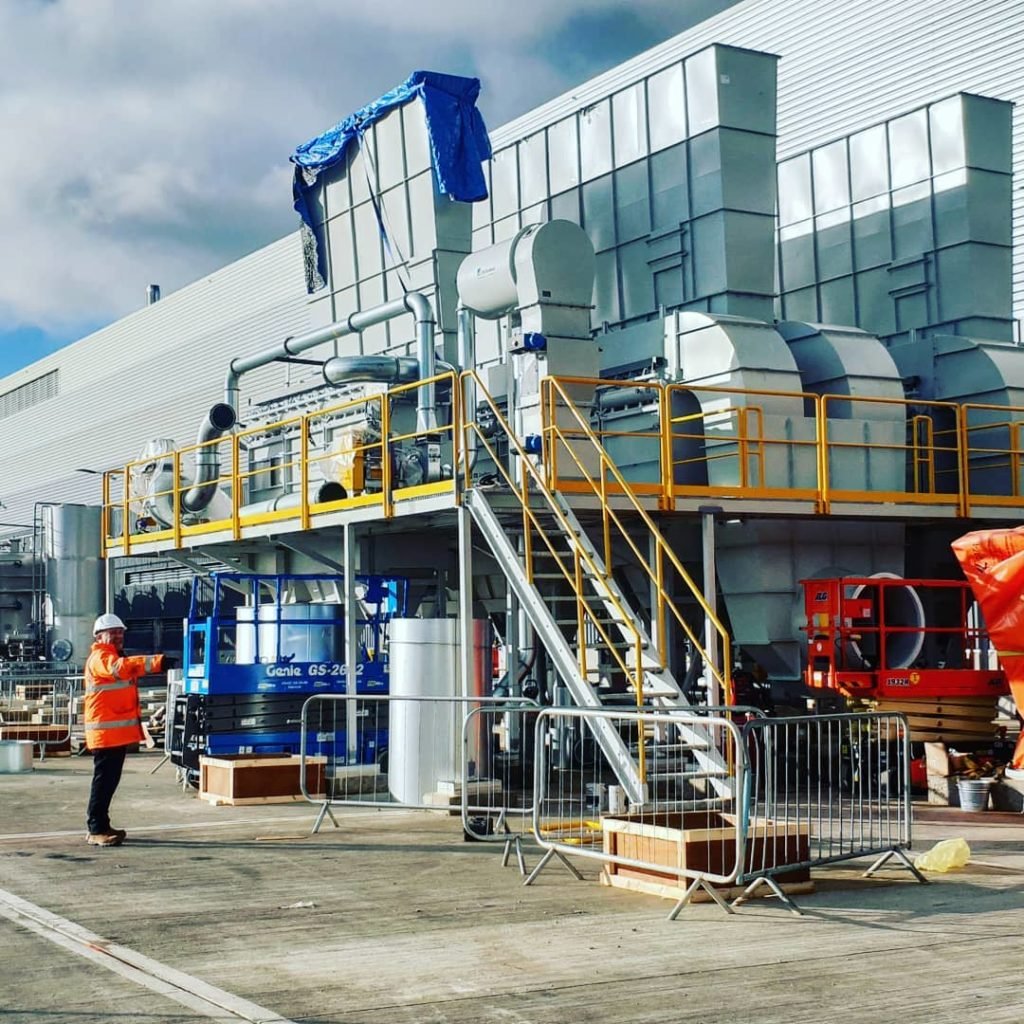
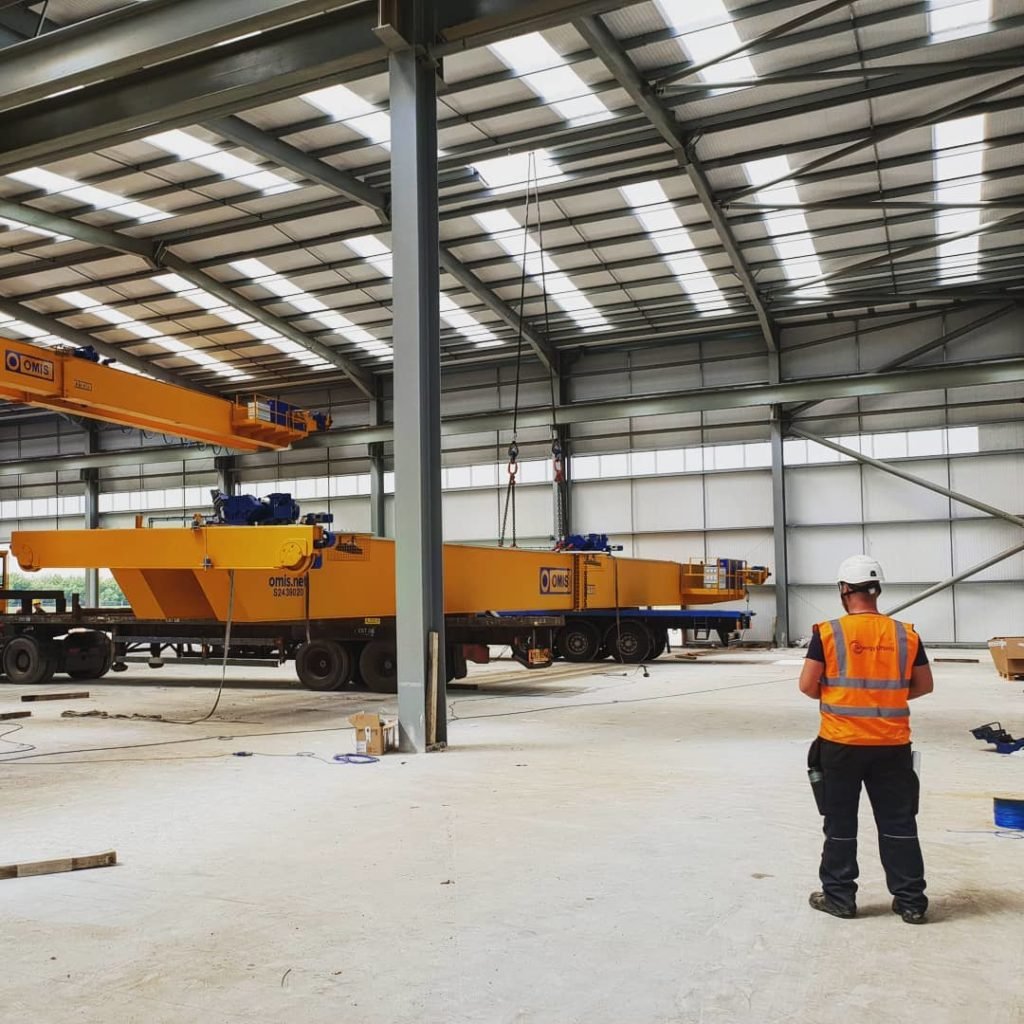
Each heavy item needs a method: how it leaves the building, how it is lifted and how it goes back down. Lifts should be planned to BS 7121 with a lift plan, risk assessment and method statement, and machines often travel inside the building on skates and jacks before a crane is involved. Our machine movement team and our guide to crane hire or a contract lift cover this in more detail.
Allow lead time for transport
Abnormal loads need permits and police notification in advance, and sensitive equipment needs packing before it travels. Build these into the plan early, as they cannot be rushed at the end. See machine packaging and transport.
Step 5
Step 5: Agree who does what
Gaps between contractors cause more delays than any single lift. Write down who owns each task, from the moment a machine is isolated to the moment it produces again.
- Disconnection and reconnection: coordinate this between your own engineers, the equipment manufacturers and your relocation contractor, and agree who covers what at survey stage.
- Commissioning and validation: usually your production team or the manufacturer. Regulated sites such as food and pharmaceutical plants need their own validation steps built into the programme.
- Health and safety duties: confirm who is principal contractor under CDM where it applies, and who issues permits to work on each site.
- Lifting, moving and transport: one contractor handling all three removes the hand-overs where things go wrong.
Step 6
Step 6: Plan your communications
A factory relocation affects people well outside the factory. Plan who needs telling, and when.
- Customers: warn them of any change to lead times, and build stock ahead of the shutdown to cover orders while lines are down.
- Suppliers: confirm the change of delivery address and the date it takes effect.
- Landlords: agree access at both sites, including out-of-hours working.
- Staff: brief everyone affected on the programme and on how to report problems during the move.
- Insurers: check your cover for equipment in transit and in storage.
Questions
Common questions
How far ahead should we start planning a factory relocation?
As early as you can. A single machine can be moved at short notice, but a full line or plant needs time for surveys, lift plans, permits and a shutdown window that suits your customers. Start planning before the move date is fixed, not after.
What should a factory relocation plan include?
At minimum: the restart date and shutdown window, an asset register, surveys of both sites, the move sequence, a list of who is responsible for each task, and a communications plan for customers, suppliers and staff.
Can we keep producing while we relocate?
Often, yes. Phasing the move line by line lets part of the factory keep running while the rest is relocated, and night and weekend working keeps the disruption down.
Should we build stock before the move?
Usually. Building stock ahead of the shutdown covers customer orders while lines are down. Size it to the planned shutdown plus your buffer days.
Get a quote
Get help planning your factory relocation
Call us on 0800 008 6096 or email office@synergy-lifting.co.uk. Tell us what is moving, from where to where, and when production needs to restart, and we will survey both sites and help you build the plan.
Find out more about our factory relocation, machine movement and crane hire and contract lifting services.
Related
Find out more
Get a quote
Ready for a quote?
Send us the details and we will come back with a quote, usually the same day for a desktop survey.
Or call 0800 008 6096